
Introduction
Singapore is known globally for its cleanliness, organized public environments, and high hygiene standards. From MRT stations and shopping malls to parks, walkways, community spaces, offices, and public facilities, clean surroundings play an important role in daily life.
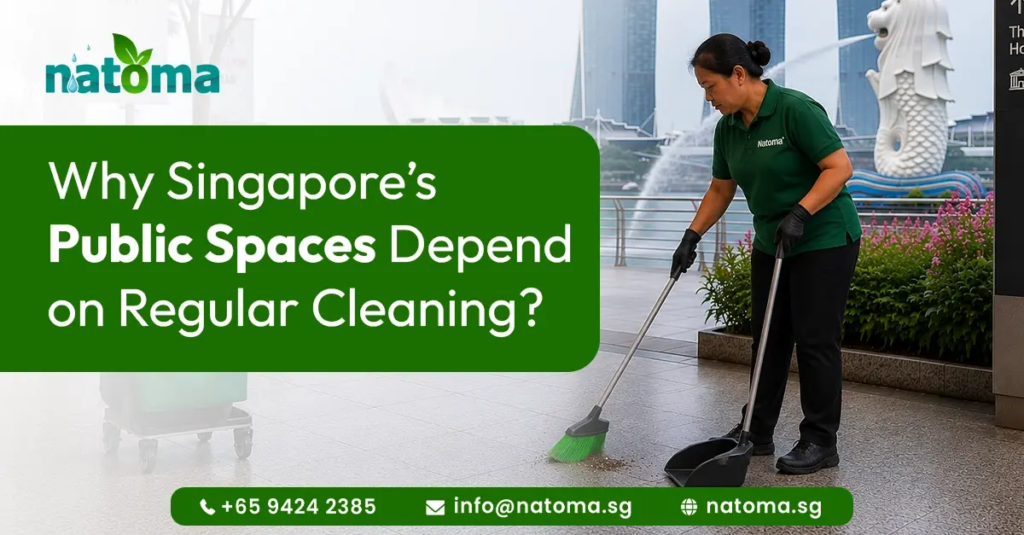
However, maintaining public spaces is not as simple as occasional sweeping or waste collection. These areas experience continuous movement throughout the day. Thousands of people pass through shared environments daily, making regular cleaning for public spaces essential for hygiene, safety, and comfort.
Without structured cleaning support, public spaces quickly become overcrowded with dust, waste, stains, odors, and hygiene concerns that affect both residents and visitors.
Public Spaces Experience Constant Daily Usage
Unlike private properties, public spaces rarely stay unused. Walkways, waiting areas, escalators, public seating, washrooms, and shared touchpoints remain active from morning until late night.
This constant activity creates:
Faster dirt buildup
Higher dust accumulation
Increased waste generation
Surface contamination
Wear on flooring and shared facilities
Regular cleaning helps manage these issues before they become visible problems.
Clean Public Spaces Support Public Health
Shared environments expose large numbers of people to the same surfaces every day. Handrails, benches, lift buttons, tables, and public washrooms require proper maintenance to reduce hygiene risks.
Professional public space cleaning Singapore services help
Reduce bacteria buildup
Maintain washroom hygiene
Improve air quality
Control unpleasant odors
Support healthier shared environments
Clean surroundings contribute directly to public comfort and confidence.
Cleanliness Shapes Singapore’s Global Reputation
Singapore’s reputation for cleanliness influences tourism, business perception, and public satisfaction. Visitors often notice how organized and clean public environments remain even during busy hours.
Maintaining this standard requires:
Daily cleaning schedules
Waste management systems
Trained cleaning manpower
Fast response cleaning
Deep cleaning support for high-traffic zones
Regular maintenance keeps public spaces visually clean and operationally safe.
High-Traffic Areas Need Constant Attention
Some locations experience significantly heavier movement than others.
Areas requiring frequent cleaning include:
Shopping centers
Food courts
Public walkways
Community halls
Commercial lobbies
Shared washrooms
These environments collect dirt quickly because of continuous public usage.
Professional facility cleaning services focus on maintaining these spaces consistently throughout operating hours.
Waste Management Is a Major Challenge.
Public areas generate large amounts of waste every day.
Overflowing bins, food packaging, drink spills, and litter can quickly affect the appearance and hygiene of shared spaces. Without proper waste management, odors and pest issues become more common.
Regular cleaning teams help maintain:
Waste collection schedules
Bin sanitization
Litter control
Spill cleanup
General area cleanliness
This keeps public environments safer and more organized.
Public Washrooms Require Frequent Cleaning.
Washrooms are among the most heavily used areas in public spaces. They require constant monitoring to maintain hygiene and comfort.
Common issues include:
Wet floors
Soap residue
Bad odors
Overflowing waste bins
Water stains
Surface contamination
Professional cleaning helps maintain washrooms in a cleaner and more hygienic condition throughout the day.
Why Deep Cleaning Is Necessary in Public Spaces
Public areas generate large amounts of waste every day.
Overflowing bins, food packaging, drink spills, and litter can quickly affect the appearance and hygiene of shared spaces. Without proper waste management, odors and pest issues become more common.
Regular cleaning teams help maintain:
Waste collection schedules
Bin sanitization
Litter control
Spill cleanup
General area cleanliness
This keeps public environments safer and more organized.
Public Washrooms Require Frequent Cleaning.
Washrooms are among the most heavily used areas in public spaces. They require constant monitoring to maintain hygiene and comfort.
Common issues include:
Wet floors
Soap residue
Bad odors
Overflowing waste bins
Water stains
Surface contamination
Professional cleaning helps maintain washrooms in a cleaner and more hygienic condition throughout the day.
Why Deep Cleaning Is Necessary in Public Spaces
Surface cleaning alone is not enough for high-traffic environments.
Over time, hidden dirt collects in:
Floor edges
Air vents
Seating areas
Drainage corners
Escalator edges
Shared touchpoints
Deep cleaning removes long-term buildup and helps maintain overall facility hygiene standards.
Clean Public Spaces Improve Daily Comfort
People naturally feel more comfortable in clean environments.
Clean public spaces create the following:
Better walking experiences
More comfortable waiting areas
Cleaner shared facilities
Improved confidence in public hygiene
Safer environments for families and elderly visitors
Regular cleaning directly improves everyday public experience.
How Natoma Cleaning Service Supports Public Space Cleaning
Natoma Cleaning Service supports commercial and public facility cleaning across Singapore with structured cleaning operations designed for high-traffic environments.
With experience managing shared facilities and large operational spaces, Natoma understands the importance of consistency, fast-response cleaning, and hygiene management.
Public Space Cleaning Support Includes:
Walkway and lobby cleaning
Washroom maintenance
Waste collection support
Floor scrubbing and polishing
Touchpoint sanitization
Deep cleaning services
Scheduled maintenance cleaning
Why Public Facilities Choose Natoma
Natoma Cleaning Service focuses on:
Trained cleaning teams
Structured cleaning schedules
Reliable operational support
Flexible manpower coordination
Consistent cleaning standards
This helps public environments remain cleaner, safer, and more organized throughout daily operations.
Cleaning Supports Safety in Public Areas
Dirty or poorly maintained public areas increase safety risks.
Spilled liquids, dusty flooring, unmanaged waste, and slippery surfaces create hazards for pedestrians and visitors.
Regular cleaning helps reduce:
Slip accidents
Blocked walkways
Unpleasant odors
Hygiene complaints
Surface contamination
This makes cleaning part of operational safety — not just maintenance.
Public Expectations for Cleanliness Continue Growing
Modern residents and visitors expect cleaner public environments than ever before.
People now pay closer attention to the following:
Washroom conditions
Shared touchpoints
Seating cleanliness
Air quality
Waste management
As expectations increase, regular cleaning becomes more important for public trust and facility management.
Conclusion
Singapore’s public environments depend heavily on structured cleaning systems to maintain hygiene, comfort, and operational standards.
From transport areas and commercial facilities to community spaces and shared public zones, regular cleaning for public spaces supports both public health and daily convenience.
With professional manpower, scheduled maintenance, and reliable cleaning operations, Natoma Cleaning Service helps maintain cleaner and more organized public environments across Singapore.
Clean public spaces are not maintained by chance — they depend on consistent cleaning every single day.
Frequently Asked Questions
Public space cleaning usually includes walkways, washrooms, seating areas, lobbies, touchpoints, waste collection zones, escalators, and other high-traffic shared spaces.
High-traffic public spaces often require daily cleaning, frequent touchpoint sanitisation, and scheduled deep cleaning to maintain proper hygiene standards.
Professional cleaning services provide trained manpower, structured cleaning schedules, proper equipment, and consistent maintenance support for large shared environments.