
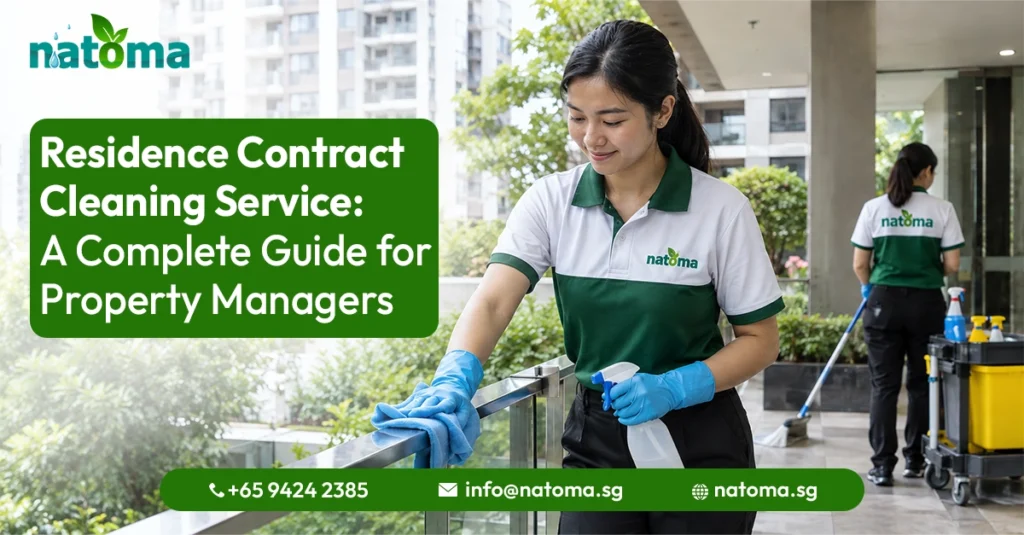
A Well-Managed Residence Needs More Than Occasional Cleaning
For a residential property manager, keeping a property clean is not a once-in-a-while task.
Residents use entrances, corridors, lifts, staircases, shared facilities and outdoor areas every day. Foot traffic changes throughout the week, weather can affect outdoor spaces, and common areas can quickly require attention again after they have been cleaned.
This is where a Residential Contract Cleaning Service becomes useful.
Instead of arranging cleaning only when an area becomes visibly dirty, property managers can establish a planned service schedule based on the property’s size, usage and cleaning requirements.
For condominiums, apartments, residential developments and managed properties, a structured residential cleaning service can help property teams manage recurring cleaning requirements while maintaining consistency across shared spaces.
Why Contract Cleaning Works Differently
A one-time cleaning job and a contract cleaning arrangement have different purposes.
A one-time service is generally organised around a specific requirement.
A contract service creates an ongoing cleaning routine.
For a residential property, this can mean having agreed schedules for:
Daily cleaning → Common areas and frequently used spaces
Weekly cleaning → Detailed areas requiring additional attention
Periodic cleaning → Areas requiring less frequent service
Additional cleaning → Special requirements, events or unexpected needs
This structure allows property managers to plan cleaning rather than constantly react to complaints or visible dirt.
What Areas Should a Residential Cleaning Contract Cover?
Every property has a different layout, so the cleaning scope should be developed around the actual site.
Entrance and Lobby Areas
The entrance is one of the first areas residents and visitors encounter.
Cleaning may include floors, glass surfaces, doors, reception areas, fixtures and other frequently touched areas.
Corridors and Staircases
These areas experience regular movement and can accumulate dust and dirt over time.
A scheduled common area cleaning service can help maintain these shared routes.
Lifts and Lift Lobbies
Lift areas receive frequent daily traffic. Floors, doors, walls, buttons and surrounding areas may require regular attention.
Residential Common Facilities
Depending on the development, cleaning requirements may extend to:
Function rooms
Clubhouses
Gyms
Swimming pool surroundings
Changing rooms
Sheltered walkways
Recreational areas
Shared kitchens
Management office areas
Outdoor Areas
External walkways, entrances and other common spaces may require cleaning according to usage and weather conditions.
The Property Manager's Real Challenge: Consistency
Hiring cleaners is only one part of managing a residential property.
The bigger challenge is maintaining a consistent standard over time.
A property may look well maintained immediately after cleaning, but without a regular schedule, conditions can change quickly.
Contract cleaning helps establish:
A defined scope
A recurring schedule
Assigned cleaning responsibilities
Regular monitoring
Communication between property management and the cleaning provider
This creates a more organized approach to residential property cleaning.
Residential Contract Cleaning Service: What Should Property Managers Expect?
A professional residential contract cleaning service should begin with understanding the property.
Before establishing a schedule, the cleaning provider should consider:
Number of buildings
Number of floors
Common-area size
Resident traffic
Facilities available
Operating hours
Existing cleaning arrangements
Special cleaning requirements
Frequency required for different areas
Not every area needs to be cleaned at the same frequency.
For example, a busy entrance may need daily attention, while another low-traffic area may only require periodic cleaning.
A good contract should therefore be based on actual property usage, not simply a generic checklist.
How to Build a Practical Cleaning Schedule
A useful residential cleaning schedule can divide work into different service levels.
Everyday Maintenance
Focus on areas residents use continuously, such as entrances, lifts, corridors and washrooms where applicable.
Weekly Detailed Cleaning
Certain surfaces and less frequently used areas can receive more detailed attention.
Periodic Cleaning
Windows, high-level areas, selected common facilities and other less frequently serviced areas can be scheduled separately.
Special Cleaning
Properties may also need additional services after events, renovation work, move-in periods or other activities that create extra cleaning requirements.
This approach gives property managers more control over how cleaning resources are used.
Don't Wait for Resident Complaints
One common problem with reactive property maintenance is that action begins only after residents report an issue.
For example:
Dirty corridor → Complaint → Cleaning arranged
A planned contract can change the process:
Scheduled inspection → Cleaning Requirement identified → Service Completed → Area monitored
This proactive approach can help property managers address routine cleaning needs before they become recurring complaints.
Resident feedback still matters, but it should complement the planned cleaning programme rather than replace it.
What Makes a Good Residential Cleaning Company?
Choosing a Cleaning Company Singapore property managers can work with over the long term requires more than comparing quotations.
Clear Scope of Work
The contract should state which areas are covered and how often they will be serviced.
Suitable Manpower
The required workforce depends on property size, layout and cleaning frequency.
Trained Cleaning Team
Cleaners should understand the property’s cleaning procedures and the correct methods for different surfaces.
Reliable Scheduling
Residential properties require dependable recurring service. Missed schedules can quickly affect common areas.
Site Supervision
For larger properties, supervision can help coordinate cleaning activities and monitor service delivery.
Communication
Property managers should have a clear channel for reporting additional requirements, schedule changes and service concerns.
These factors help turn a cleaning arrangement into a manageable ongoing service.
How to Compare Residential Contract Cleaning Quotes
The lowest quotation does not necessarily represent the lowest overall cost.
Property managers should compare what is actually included.
Consider:
Service frequency
How often will each area be cleaned?
Manpower
How many cleaners are assigned?
Cleaning scope
Which areas are included?
Equipment and materials
What resources are required for the agreed work?
Supervision
How is service quality monitored?
Additional services
How are requests outside the standard scope handled?
Contract flexibility
Can the schedule be adjusted when property requirements change?
A clear comparison makes it easier to understand the actual value of each proposal.
Common Mistakes Property Managers Should Avoid
Using the Same Schedule Everywhere
High-traffic and low-traffic areas do not necessarily require identical cleaning frequencies.
Leaving the Scope Vague
A vague agreement can create disagreements about what the cleaning team is expected to complete.
Ignoring Seasonal Conditions
Rain, outdoor activity and increased resident usage can affect cleaning requirements.
Focusing Only on Visible Areas
Corners, lift areas, staircases, glass surfaces and less-used facilities can also require scheduled attention.
Having No Review Process
Regular service reviews can help identify changes in the property’s cleaning requirements.
When Should a Residential Property Consider Contract Cleaning?
A contract arrangement can be particularly relevant when a property has:
Large shared areas
Regular resident traffic
Multiple buildings or blocks
Shared recreational facilities
Frequent cleaning requirements
A dedicated property management team
Ongoing common-area maintenance needs
Instead of repeatedly arranging individual cleaning jobs, a residential contract cleaning service creates an established system for recurring requirements.
Natoma's Residential Contract Cleaning Support
Natoma provides residential contract cleaning services designed around the requirements of managed residential properties.
For property managers and facility teams, Natoma can support recurring cleaning requirements across residential common areas and shared facilities.
The service can be structured around:
Lobby and entrance cleaning
Corridor cleaning
Lift and lift-lobby cleaning
Staircase cleaning
Common-area cleaning
Facility and recreational-area cleaning
Washroom cleaning
Floor care
Window cleaning
Outdoor-area cleaning
Periodic and detailed cleaning
Natoma can work with property teams to establish cleaning schedules based on the property’s requirements rather than applying one standard routine to every development.
For properties that require broader support, Natoma also provides integrated facility management solutions covering multiple facility-related services.
The focus is on creating a practical service arrangement that property managers can monitor, schedule and adjust as the property’s needs change.
Conclusion: Make Residential Cleaning a Planned Process
Residents continue to move through shared spaces. Facilities continue to be used. Weather and daily activity continue to create new cleaning requirements.
That is why a residential contract cleaning service can provide a more structured approach for property managers.
With the right cleaning partner and a well-planned contract, residential cleaning becomes part of the property’s ongoing management strategy rather than a task that is handled only when problems appear.
With Natoma as your residential contract cleaning company, property managers can establish a consistent cleaning routine instead of arranging services only when issues arise.
One property. One planned cleaning schedule. One dependable team.
Frequently Asked Questions
Pricing depends on factors such as property size, cleaning scope, service frequency, manpower and facilities covered. Natoma can assess the requirements and provide a suitable service scope.
Yes. Natoma can develop a customised cleaning schedule based on the property's usage, high-traffic areas, operating requirements and preferred service frequency.
Yes. Periodic deep cleaning services can be incorporated into a residential cleaning plan where specific areas require more detailed attention.
Why should property managers choose a contract cleaning service?


![𝐖𝐡𝐞𝐧 𝐖𝐚𝐬 𝐘𝐨𝐮𝐫 𝐅𝐚𝐜𝐭𝐨𝐫𝐲 𝐋𝐚𝐬𝐭 𝐃𝐞𝐞𝐩 𝐂𝐥𝐞𝐚𝐧𝐞𝐝?
From regular cleaning to detailed cleaning, our trained team helps keep your facility ready for everyday operations.
📞 +65 9424 2385 | 📩 info@natoma.sg | 🌐 natoma.sg
[Factory Cleaning, Industrial Cleaning, Factory Cleaning Service, Industrial Cleaning Service Singapore]
#FactoryCleaning #IndustrialCleaning #FactoryCleaningSingapore #CommercialCleaning #NatomaCleaning](https://natoma.sg/wp-content/plugins/instagram-feed/img/placeholder.png)